
A strong core forms the base for good posture and balance while supporting your overall fitness level. Yoga offers an effective method to strengthen your core whether you aim to boost athletic performance or simply feel steadier during daily tasks. These yoga poses target the muscles surrounding your spine such as your abdominals and the muscles in your back and hips. Regular practice helps you develop greater stability and increased strength while promoting lasting health and wellness.
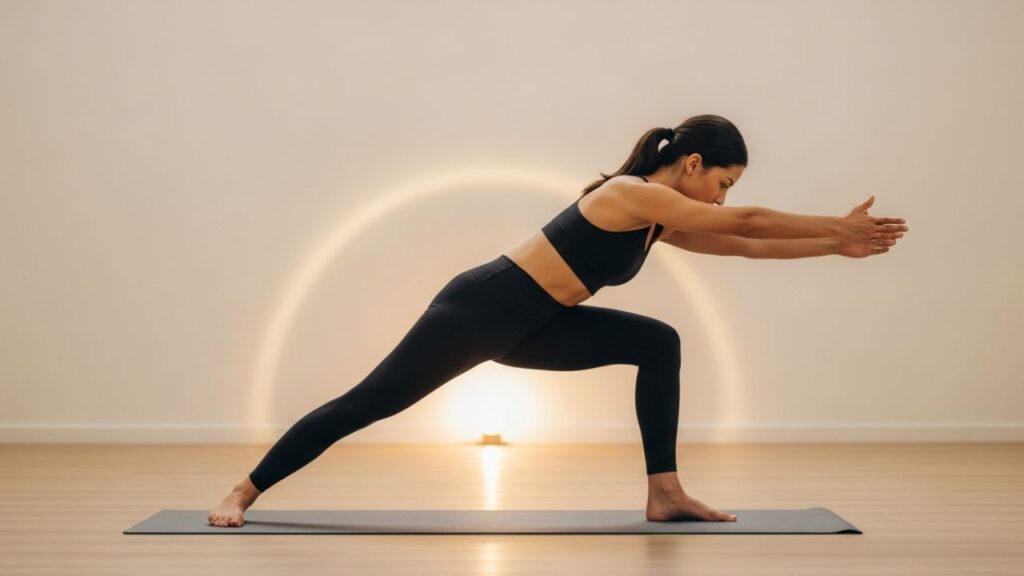
Why Core Strength Matters
Your core consists of more than just your abdominal muscles. It encompasses your lower back along with your pelvic muscles and includes your hips and diaphragm as well. Building a strong core provides stability for your entire body while lowering your chances of getting injured. These muscles function as a unit to enhance your posture and create more fluid movements while taking pressure off your lower back. A solid core foundation improves your balance and makes everyday activities feel safer and easier to manage.
 Forget Burj Khalifa and Shanghai Tower: Saudi Arabia now readies a bold 1km-tall skyscraper
Plank Pose (Phalakasana)
Plank Pose is a foundational posture that activates the entire body while strongly engaging the core. Holding this pose builds endurance and stability in both the front and back of the body.

How to perform: Begin in a push-up position with hands under shoulders and feet hip-width apart. Keep the body in a straight line from head to heels and engage the core. Hold for 30 seconds to one minute with steady breathing.
 Mental Calm Practices: 5 Yoga Techniques That Help Regulate Emotions and Quiet Overactive Thoughts
Benefits: Strengthens the core, arms, and shoulders while improving body awareness.
Boat Pose (Navasana)
Boat Pose is highly effective for activating deep abdominal muscles and improving overall core control. It also works the hip flexors and lower back.
How to perform: Sit with knees bent and feet on the floor. Lean back slightly and lift the feet so thighs are parallel to the ground. Extend the legs, keep the spine long, and hold the arms parallel to the floor.
Benefits: Builds strong abdominal muscles and improves balance and hip flexibility.
Side Plank (Vasisthasana)
Side Plank targets the oblique muscles along the sides of the torso and improves shoulder and core stability.
How to perform: From plank position, shift weight onto one arm and stack the feet. Lift the opposite arm upward and keep the body in a straight line. Hold for 15–30 seconds, then switch sides.
Benefits: Strengthens obliques, shoulders, and improves side-body endurance.

Warrior III (Virabhadrasana III)
Warrior III is a balancing pose that challenges the core while strengthening the legs and lower back.
How to perform: Stand tall, shift weight onto one leg, and extend the other leg backward. Reach arms forward and keep the body aligned from head to heel. Hold for 30 seconds, then switch sides.
Benefits: Enhances balance, coordination, and core stability.
Bridge Pose (Setu Bandhasana)
Bridge Pose gently engages the core while strengthening the glutes and lower back and opening the hips.
How to perform: Lie on your back with knees bent and feet flat. Press feet into the mat and lift hips upward. Keep arms by the sides and engage the core while holding.
Benefits: Strengthens the lower back, glutes, and abdominals while improving spinal alignment.
Locust Pose (Salabhasana)
Locust Pose is a strong backbend that activates the lower back, glutes, and core muscles.
How to perform: Lie on the stomach and lift the head, chest, arms, and legs off the floor together. Engage the back and core, hold briefly, then release.

Benefits: Improves posture, strengthens the spine, and supports core engagement.
