
Yoga is an ancient practice that delivers many physical & mental benefits. It strengthens your muscles while improving flexibility and takes a complete approach to better health. Both experienced practitioners and beginners can benefit from adding yoga to their daily routine to develop a stronger and more flexible body. This article examines how yoga builds strength and flexibility and identifies the most important poses to practice along with helpful tips to maximize your results. Yoga works by using your own body weight as resistance during various poses and movements. This natural form of resistance training engages multiple muscle groups at once and builds functional strength that applies to everyday activities. Unlike traditional weightlifting that often isolates specific muscles yoga strengthens your entire body through integrated movements that improve coordination and balance. The practice also increases flexibility by gently stretching muscles and connective tissues over time. Regular yoga sessions gradually extend your range of motion and reduce stiffness in joints and muscles. This improved flexibility helps prevent injuries and makes daily movements easier & more comfortable. Several fundamental poses provide excellent strength and flexibility benefits. Downward-facing dog strengthens the arms and shoulders while stretching the hamstrings and calves. Warrior poses build leg strength and open the hips. Plank pose develops core stability and arm strength. Triangle pose stretches the sides of the body while strengthening the legs. Chair pose builds lower body power and endurance. To get the best results from your yoga practice you should maintain consistency by practicing several times each week. Focus on proper form rather than pushing yourself too hard too quickly. Listen to your body and respect its limits while gradually working toward more challenging variations. Combine different types of yoga to address both strength and flexibility goals. Stay patient since meaningful progress takes time and regular effort. Starting a yoga practice requires minimal equipment and can happen almost anywhere. A quality yoga mat provides cushioning & grip for various poses. Comfortable clothing that allows free movement works best. Many people find that practicing in the morning energizes them for the day ahead while evening sessions promote relaxation and better sleep. Yoga offers a sustainable path to building a stronger & more flexible body regardless of your current fitness level. The practice adapts to individual needs and progresses at your own pace while delivering lasting physical improvements and mental clarity.
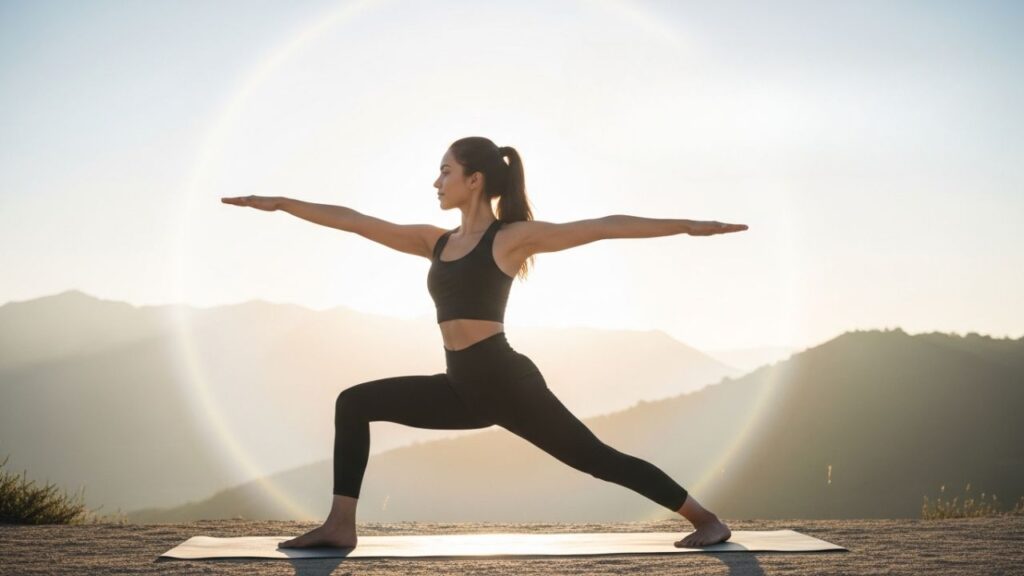
Why Yoga is Essential for Strength and Flexibility
Yoga focuses on controlled movements, breathing techniques, and mindful awareness, making it a powerful tool for improving both strength and flexibility. Unlike other forms of exercise that target specific muscle groups, yoga engages the entire body. The combination of stretching and strength-building poses helps lengthen muscles, increase joint mobility, and boost muscle endurance.

As you practice yoga on a regular basis you will see that your muscle tone gets better along with your balance and posture. The practice helps your body release tension while lowering your chances of getting injured & it makes your mind clearer. If you want to become more flexible then yoga is a good choice because it slowly makes your muscles longer which means you can move more easily and feel less stiff as time goes on.

Key Yoga Poses for Building Strength and Flexibility
Downward Dog (Adho Mukha Svanasana)
 Heating: the 19 °C rule is outdated—here’s the new recommended temperature according to experts
This pose is great for strengthening the arms, shoulders, and core while stretching the hamstrings and calves. It helps to lengthen the spine and improve overall body alignment.
# Plank Pose (Phalakasana)
Plank pose is a fundamental yoga position that builds strength throughout your entire body. This pose requires you to hold your body in a straight line while supporting yourself on your hands and toes. It looks simple but challenges multiple muscle groups at once. To get into plank pose you start on your hands and knees. Place your hands directly under your shoulders with fingers spread wide. Step your feet back one at a time until your legs are fully extended behind you. Your body should form one straight line from the top of your head down to your heels. The key to proper alignment is keeping your core engaged throughout the hold. Pull your belly button toward your spine and avoid letting your hips sag down or stick up too high. Your shoulders should stay directly over your wrists. Keep your neck in a neutral position by looking at the floor about a foot in front of your hands. This pose strengthens your arms and shoulders while building endurance in your core muscles. Your back muscles work to maintain the straight line position. Even your legs get a workout as your quadriceps engage to keep your knees lifted. Beginners often struggle to hold plank pose for more than a few seconds. Start with short holds of ten to fifteen seconds and gradually increase the duration as you build strength. If the full pose feels too challenging you can modify it by dropping your knees to the floor while keeping your core engaged. Common mistakes include holding your breath & tensing your shoulders up toward your ears. Remember to breathe steadily throughout the pose. Draw your shoulder blades down your back to keep your shoulders relaxed and stable. Plank pose serves as a foundation for many other yoga poses and exercises. It appears frequently in vinyasa flow sequences and prepares your body for more advanced arm balances. Regular practice of this pose improves your overall body awareness and postural control.
Plank pose builds strength in your core muscles along with your arms and legs. This position also helps you develop better balance. The pose works well for anyone who wants to increase their overall body strength and create more stability in their movements.
Warrior I (Virabhadrasana I)
Warrior I works the legs, core, and shoulders. It also helps to open up the hips and chest, promoting flexibility in these areas.
Cobra Pose (Bhujangasana)
Cobra pose strengthens the lower back and arms while stretching the chest and spine. It helps improve flexibility in the back and opens up the chest for better posture.
Forward Fold (Uttanasana)
This pose stretches the hamstrings, calves, and spine while calming the mind. Forward folds help improve flexibility in the lower body and can relieve lower back pain.
# Tree Pose (Vrksasana)
Tree Pose is a standing balance posture that helps develop stability and focus. This pose strengthens the legs and core while opening the hips and improving concentration. To practice Tree Pose, start by standing with your feet together and your arms at your sides. Shift your weight onto your left foot & bend your right knee. Reach down & grasp your right ankle, then place the sole of your right foot against your inner left thigh. If this feels too challenging, you can place your foot on your inner calf instead. Avoid placing your foot directly on your knee joint. Once you find your balance, bring your hands together at your chest in prayer position. If you feel steady, you can extend your arms overhead with your palms together or separated shoulder-width apart. Keep your gaze fixed on a point in front of you to help maintain balance. Your standing leg should remain straight and strong. Press your foot firmly into your thigh while simultaneously pressing your thigh back into your foot. This creates stability through opposing forces. Keep your hips level and facing forward rather than letting them twist to one side. Breathe steadily and hold the pose for five to ten breaths. When you’re ready to release, slowly lower your arms & your raised foot back to the floor. Take a moment to notice how you feel before repeating the pose on the opposite side. Tree Pose offers numerous benefits for both body and mind. It strengthens the ankles and calves while toning the thighs & core muscles. The pose also stretches the inner thighs & groin. Regular practice improves balance & proprioception which is your body’s awareness of its position in space. Beyond the physical benefits, Tree Pose cultivates mental clarity & calm. The focus required to maintain balance helps quiet mental chatter and brings your attention to the present moment. This makes it an excellent pose for reducing stress and anxiety. If you struggle with balance try practicing near a wall where you can lightly touch it for support. You can also keep your toes on the floor with your heel resting against your ankle. As your balance improves, you can gradually work toward the full expression of the pose.
Tree pose builds strength in your legs and core muscles while helping you develop better balance. This standing posture also increases flexibility in your hip joints & encourages you to maintain better posture throughout your daily activities. The position requires you to engage multiple muscle groups at once which makes it an efficient exercise for overall body conditioning. When you practice this pose regularly you will notice improvements in your ability to stand steadily on one leg. Your core muscles work continuously to keep your body upright and centered during the pose. The hip opening aspect of tree pose comes from the external rotation of your lifted leg. This movement pattern is not common in everyday life so practicing it helps maintain healthy hip mobility. Better hip flexibility can reduce lower back tension and improve your walking pattern. Your posture benefits from tree pose because it trains your body to align properly. You learn to stack your shoulders over your hips and keep your spine in a neutral position. This awareness often carries over into how you sit and stand when you are not exercising.
Pigeon Pose (Eka Pada Rajakapotasana)
Pigeon pose is an excellent stretch for the hips, glutes, and lower back. It helps improve flexibility in the hips, which can relieve tightness and discomfort.
Tips for Getting the Most Out of Your Yoga Practice
Start Slowly
If you’re new to yoga or coming back after a break, start with basic poses and gradually increase the intensity as your body becomes accustomed to the movements. Focus on proper form to prevent injury.
Listen to Your Body
Yoga is about connecting with your body and understanding its limits. Don’t push yourself too hard, especially in the beginning. Stretch and hold poses within your comfortable range.
# Practice Regularly
The most effective way to improve your skills is through consistent practice. When you dedicate time each day to working on your abilities you create a foundation for steady progress. Regular practice helps you build muscle memory and reinforces what you have learned. Start by setting aside a specific time each day for practice sessions. Even short periods of focused work can lead to significant improvements over time. The key is to maintain consistency rather than trying to accomplish everything in one long session. Break down complex skills into smaller manageable parts. This approach makes learning less overwhelming & allows you to focus on mastering one element before moving to the next. As you practice each component separately you will find that combining them becomes much easier. Track your progress to stay motivated. Keep a simple record of what you practice and note any improvements you observe. Seeing how far you have come encourages you to continue working toward your goals. Remember that quality matters more than quantity. Thirty minutes of focused practice produces better results than hours of distracted effort. Eliminate distractions during your practice time & concentrate fully on the task at hand. Be patient with yourself during the learning process. Everyone progresses at their own pace and encountering difficulties is a normal part of skill development. When you face challenges view them as opportunities to learn rather than reasons to give up. Mix up your practice routine to keep things interesting. Variety prevents boredom & helps you develop a well-rounded skill set. Try different exercises or approaches to maintain your enthusiasm and discover new aspects of what you are learning. Seek feedback from others who have experience in your area of interest. Constructive criticism helps you identify areas that need improvement and confirms what you are doing well. Use this input to refine your practice strategy. The benefits of regular practice extend beyond skill improvement. You also develop discipline and perseverance that apply to other areas of your life. These qualities become valuable assets as you pursue various personal and professional goals.
Regular practice matters most when you want to build strength and flexibility. Try to do yoga three to four times each week if you want to see real progress.
# Breathe Deeply
Taking deep breaths is one of the simplest ways to calm your mind and body. When you breathe deeply you send more oxygen to your brain and activate your parasympathetic nervous system. This helps reduce stress & anxiety almost immediately. Most people breathe shallowly throughout the day without even realizing it. Shallow breathing keeps your body in a state of mild stress. Deep breathing does the opposite by telling your body that everything is okay and it can relax. Try this simple technique when you feel overwhelmed. Sit in a comfortable position and close your eyes. Breathe in slowly through your nose for a count of four. Hold that breath for a count of four. Then breathe out slowly through your mouth for a count of six. Repeat this cycle five to ten times. You can practice deep breathing anywhere at any time. It works well before important meetings or difficult conversations. Many people find it helpful right before bed to prepare for sleep. Some use it during their morning routine to start the day with a clear mind. The beauty of deep breathing is that it requires no special equipment or training. You already have everything you need. Your breath is always with you as a tool for managing stress and finding calm in busy moments. Make deep breathing a regular habit and you will notice positive changes in how you handle daily challenges. Your body will thank you for giving it these moments of rest & recovery throughout the day.
Breathing forms a core element of yoga practice. When you breathe slowly and with awareness it keeps you centered while lowering stress levels and improving how far your body can stretch. Make sure to maintain deep breaths as you move through different positions.
# Incorporate Restorative Poses
Adding restorative poses to your yoga practice can make a significant difference in how your body feels and recovers. These gentle positions allow your muscles to relax deeply while your nervous system shifts into a calmer state. Unlike more active yoga styles that focus on building strength or flexibility through movement, restorative poses emphasize stillness and support. The basic principle behind restorative yoga involves holding comfortable positions for extended periods. You typically stay in each pose for five to twenty minutes. This extended time allows your body to release tension that has built up from daily stress or physical activity. Props such as bolsters blankets, blocks & straps help support your body so you can completely let go without any strain. One of the most accessible restorative poses is supported child’s pose. You kneel on your mat and place a bolster or folded blankets between your thighs. As you fold forward and rest your torso on the support your hips, lower back and shoulders can release accumulated tension. Your arms can rest alongside your body or extend forward, whichever feels more natural. Legs up the wall pose offers another simple option that provides multiple benefits. You lie on your back and extend your legs up against a wall. This inverted position helps reduce swelling in your feet & legs while promoting circulation. The gentle reversal also gives your heart a break from constantly pumping blood upward against gravity. Supported bridge pose combines the benefits of a gentle backbend with complete relaxation. You lie on your back with your knees bent & feet flat on the floor. A yoga block or bolster placed under your sacrum supports your pelvis at a comfortable height. This position opens your chest and hip flexors while requiring no muscular effort to maintain. Reclining bound angle pose targets the inner thighs & hips. You lie on your back and bring the soles of your feet together allowing your knees to fall open to the sides. Blocks or folded blankets under each thigh provide support so your legs can relax completely. This pose creates a gentle opening through your groin & lower abdomen. The physical benefits of restorative poses extend throughout your entire body. Your muscles receive the message that they can stop working and simply rest. This deep relaxation helps reduce chronic muscle tension that often leads to pain & restricted movement. Your connective tissues also benefit from the gentle sustained stretching that occurs in these supported positions. Your nervous system responds particularly well to restorative practice. When you hold these comfortable poses for several minutes, your body activates its parasympathetic nervous system. This is the part of your nervous system responsible for rest digestion and healing. As this system becomes more active, your heart rate slows, your breathing deepens and your body can focus on repair and recovery. Regular restorative practice can improve your sleep quality. The deep relaxation you experience during these poses teaches your body how to shift into a restful state more easily. Many people find that practicing restorative poses in the evening helps them transition from the activity of their day into a calmer mindset that supports better sleep. Mental & emotional benefits accompany the physical changes. The stillness required in restorative poses gives your mind a chance to slow down. Unlike meditation where you might sit upright & focus your attention in specific ways, restorative yoga allows you to rest comfortably while your thoughts gradually settle. This can feel more accessible if you find traditional meditation challenging. Creating the right environment enhances your restorative practice. Choose a quiet space where you won’t be disturbed. Dim lighting or soft natural light works better than bright overhead lights. The room temperature should be comfortable since your body temperature will drop as you relax. Having a blanket nearby lets you cover yourself if you get cool. Gathering appropriate props before you begin saves you from having to interrupt your practice. You don’t need expensive specialized equipment. Firm bed pillows can substitute for bolsters. Regular blankets work well for support and warmth. Books or sturdy boxes can replace yoga blocks. The key is having enough support so your body can completely relax without any sense of strain or effort. Starting with shorter holds makes sense if you’re new to restorative yoga. Even five minutes in a supported pose can provide benefits. As you become more comfortable with the stillness, you can gradually extend the time you spend in each position. Some experienced practitioners enjoy staying in a single restorative pose for thirty minutes or longer. Breathing naturally throughout your practice supports the restorative process. You don’t need to control or manipulate your breath in any particular way. Simply allowing your breath to flow freely helps signal to your body that everything is safe and you can relax. Over time you may notice your breathing becomes slower and deeper without any conscious effort. Sequencing restorative poses can follow your intuition about what your body needs. You might begin with a gentle forward fold, move into a supported backbend, then finish with an inversion like legs up the wall. Ending your practice with a final resting pose allows the benefits to integrate fully. There’s no single correct sequence since the goal is supporting your body’s natural ability to rest and restore. Restorative yoga works well as a complement to more active practices. If you regularly do vigorous exercise or dynamic yoga styles, adding restorative sessions helps balance your routine. This combination allows you to build strength and endurance while also giving your body adequate recovery time. Many athletes and active individuals find this balance helps prevent injury & burnout. You can also use restorative poses as a standalone practice when you’re feeling tired, stressed or recovering from illness. These gentle positions provide a way to care for yourself that feels nurturing rather than demanding. On days when you don’t have energy for an active workout, a restorative session still gives you the benefits of dedicated self-care time. Listening to your body guides you toward the poses and variations that serve you best. If a particular position doesn’t feel comfortable even with props you can adjust it or choose a different pose. The sensation you’re looking for is one of ease and support rather than any stretching or effort. Your body knows what it needs, and restorative practice gives you space to tune into those signals. Consistency matters more than duration when building a restorative practice. Even fifteen minutes several times a week can create noticeable changes in how you feel. Regular practice trains your nervous system to access relaxation more readily. Over time you may find you feel calmer throughout your day, not just during your restorative sessions. Incorporating restorative poses into your routine offers a practical way to support your overall health and wellbeing. These accessible positions require minimal equipment and can fit into almost any schedule. The deep rest they provide helps counterbalance the constant activity and stimulation of modern life, giving your body & mind the recovery time they need to function at their best.
Include gentle, restorative poses like Child’s Pose (Balasana) or Savasana to allow your body to relax and recover after intense poses.
Use Props

Props like yoga blocks, straps, or blankets can help deepen your stretches and provide support in challenging poses.
