
At the Feira de São Joaquim in Salvador the first thing that hits you is the smell. You get salt & charcoal smoke mixed with squeezed lime & that distinct slightly muddy scent of freshwater fish. A woman wearing a bright floral apron stands at one of the stalls and pulls a silver-grey fish from a bucket. She slaps it down on the cutting board with a practiced thud. She tells you it’s tilápia & that it came fresh from the reservoir. She says it’s healthy and cheap with no mystery involved. Her eyes are already looking past you toward the next customer.
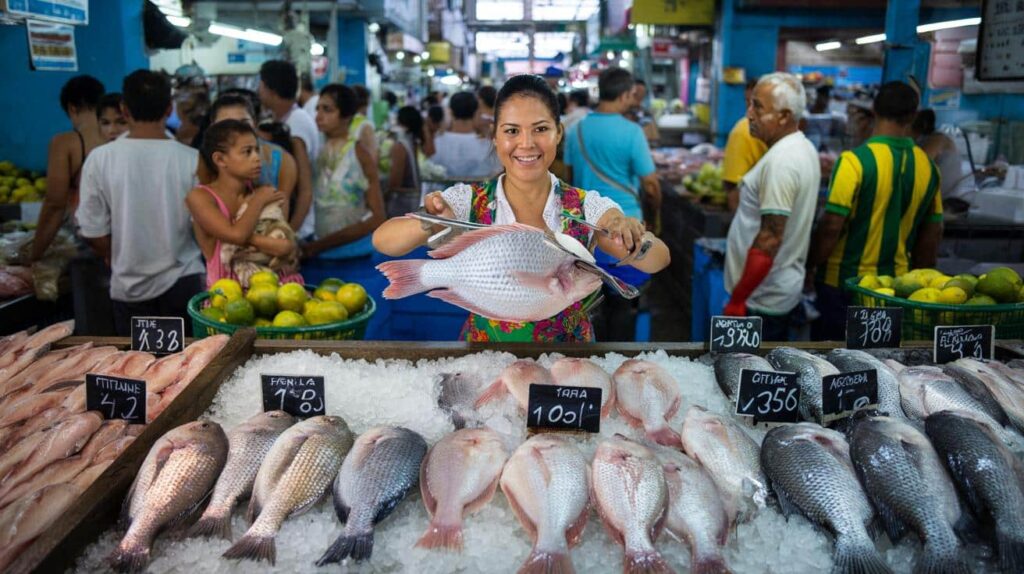
A few years ago people walked past this same fish without a glance. Today the line in front of her stall spills into the corridor. A man in a Flamengo shirt whispers to his wife that at least this one he trusts.
Something quiet and powerful is happening at Brazil’s fish counters. A shift is taking place in the way Brazilians buy their seafood. More people are asking questions about where their fish comes from & how it was caught. This change might seem small but it reflects a growing awareness about ocean health & sustainable fishing practices. For years Brazilian consumers simply bought whatever looked fresh at the market. They rarely thought about the journey their fish took from ocean to plate. But now a new generation of shoppers wants to know if their seafood was caught responsibly. They care about whether fishing methods harm other marine life or damage underwater habitats. This transformation didn’t happen overnight. Environmental groups have spent years educating the public about overfishing & its consequences. Documentaries & social media campaigns have shown how certain fishing techniques destroy coral reefs and accidentally kill dolphins & sea turtles. These messages are finally reaching everyday shoppers. Fishmongers have noticed the change too. Customers now ask about fishing methods & request specific species that are known to be sustainably harvested. Some markets have started labeling their seafood with information about origin & catch methods. This transparency helps buyers make informed choices. The Brazilian government has also played a role by implementing stricter regulations on commercial fishing. New rules limit catch sizes for certain species and restrict fishing in sensitive areas. These policies aim to protect fish populations and give depleted stocks time to recover. Young Brazilians seem especially interested in sustainable seafood. They research which fish are abundant and which are threatened. They avoid species that reproduce slowly or are caught using destructive methods. This generation sees their purchasing decisions as a form of environmental activism. Restaurants are responding to this demand as well. More establishments now feature sustainably sourced fish on their menus and advertise this fact to attract conscious diners. Chefs are experimenting with less popular but abundant species to reduce pressure on overfished varieties. The economic impact of this shift extends beyond retail markets. Fishermen who adopt sustainable practices can often charge premium prices for their catch. This creates a financial incentive for the entire industry to change its methods. Some fishing communities have formed cooperatives that focus on responsible harvesting and direct sales to consumers. Brazil’s vast coastline and rich marine biodiversity make these changes particularly important. The country’s waters support countless species & provide livelihoods for thousands of fishing families. Protecting these resources ensures they will remain productive for future generations. Challenges remain of course. Illegal fishing still occurs and enforcement of regulations can be inconsistent. Not all consumers have access to information about sustainable choices. Price differences between conventional & sustainably caught fish can discourage some buyers. Despite these obstacles the trend toward conscious seafood consumption continues to grow. What started as a niche concern among environmentalists has become a mainstream consideration for many Brazilian families. Each purchase at the fish counter represents a small vote for healthier oceans and more responsible fishing practices. This quiet revolution may not make headlines but its cumulative effect could be significant. As more Brazilians demand sustainable seafood the entire supply chain must adapt. Fishermen change their methods. Distributors modify their sourcing. Retailers adjust their offerings. The result is a gradual transformation of an entire industry driven by informed consumer choices.
From “poor people’s fish” to supermarket star
Tilapia was once considered the least desirable fish in Brazil both in reality and in perception. For many years it was what small farmers and river communities ate. It was the backup option for Sunday lunch when families had little money to spend. Wealthy families preferred ocean fish like salmon and cod along with shrimp and imported fillets that came in attractive packaging. Tilapia was what people bought when they could not pay for what they considered proper fish. The situation has changed dramatically over recent years. Tilapia has become one of the most popular fish in Brazilian markets & restaurants. This shift happened because of several practical reasons that had nothing to do with food trends or marketing campaigns. The fish adapts well to farming conditions in Brazil. It grows quickly in warm water and survives in various environments. Fish farmers found they could raise tilapia efficiently without expensive equipment or complex systems. The production costs stayed low while the output increased steadily. Tilapia also has qualities that appeal to many consumers. The flesh is white & mild without a strong fishy taste. It has few bones and comes in convenient fillets that are easy to prepare. These characteristics made it accessible to people who normally avoided cooking fish at home. As production expanded the price remained affordable compared to other protein sources. Supermarkets began stocking tilapia prominently & restaurants added it to their menus. The fish that was once associated with poverty gradually became a standard choice for middle-class families.
Today that system is changing. In large city supermarkets from São Paulo to Recife tilapia fillets now sit arranged on crushed ice with labels showing where they came from & how they were raised and what nutrients they contain. The price remains affordable. The presentation no longer looks cheap.
Step into a Carrefour or Assaí store in 2025 and the change becomes obvious. The fish section that used to hide tilapia in the back now displays it prominently. You will find packaged fillets cut thin for milanesa alongside thicker pieces meant for grilling. Whole fish appears on weekends for families making moqueca. The staff mentions details like low mercury levels and controlled farming methods as though these talking points were always part of their routine.
A study from Embrapa Aquicultura estimates that tilapia already accounts for more than half of Brazil’s farmed fish production. The clean fillets come from reservoirs in Paraná & cages in Bahia and floating platforms in Ceará. The country has turned a fish once considered inferior into a reliable national protein strategy. Brazil developed this industry without much public attention. Tilapia farming now represents a significant portion of domestic aquaculture output. The fish adapts well to different farming systems across various regions. Producers use multiple cultivation methods depending on local conditions and available infrastructure. The transformation happened gradually over several decades. What people once dismissed as low-quality protein became a cornerstone of food security planning. Brazilian fish farmers recognized the species’ advantages early. Tilapia grows quickly and tolerates diverse water conditions and feeds efficiently. The geographic spread of production demonstrates the versatility of tilapia farming. Southern states use reservoir systems while northeastern regions prefer cage cultivation. Each method suits the particular environmental & economic conditions of its location. This flexibility helped the industry expand across different climates and water sources. The shift in perception reflects changing market realities. Consumers now accept tilapia as a mainstream protein option. Restaurants feature it regularly and supermarkets stock it consistently. The fish moved from niche markets to everyday dinner tables throughout the country.
The shift goes beyond taste or status. It centers on trust. Multiple scandals involving contaminated coastal waters and mystery fillets along with imported frozen fish of questionable origin made Brazilians cautious. Tilapia raised in freshwater tanks and reservoirs emerged as the safer option. Doctors started recommending it to patients concerned about heavy metals. Nutritionists appreciated the lean protein and omega-3 content.
The inexpensive fish suddenly gained something valuable which was a reputation for being safe. When people have limited money and worry about their health safety becomes more appealing than any expensive foreign food.
How Brazilians are reclaiming tilapia at home
The rediscovery of tilapia isn’t just happening behind supermarket glass. It’s taking place in steaming kitchens and on simple tiled counters. You’ll find it in air fryers & worn-out frying pans across the country. Families who once bought it reluctantly now build entire Sunday rituals around it. The basic formula is simple. You need fresh tilapia with lemon & garlic and salt and a bit of patience. That’s really all it takes to make something memorable. People are learning that this fish doesn’t need complicated recipes or expensive ingredients. It responds well to straightforward cooking methods. A hot pan works just fine. So does a basic oven or an air fryer that’s been sitting on the counter for years. The change happened gradually. Someone tried it once and didn’t hate it. Then they tried it again with better seasoning. Eventually it became a regular choice instead of a backup option. Now it shows up on weekly shopping lists without hesitation. What makes tilapia work for so many households is its flexibility. It accepts whatever flavors you want to add. It cooks quickly when time is short. It doesn’t cost much compared to other proteins. And it doesn’t intimidate people who aren’t confident cooks. These Sunday rituals aren’t fancy affairs. They’re just families gathering around a table with food that tastes good and didn’t require stress to prepare. The fish sits on regular plates in regular dining rooms. There’s conversation and laughter & sometimes silence. Just normal meals that happen to center around a fish that finally got its moment.
When you ask people who cook at home about tilapia they often share similar advice. The key is treating tilapia like any quality fish instead of viewing it as an inferior option. This approach involves patting the fish dry before cooking and adding the right amount of seasoning. You also need to use sufficient heat so the outside develops a nice crust while the flesh inside stays tender and moist. The technique is straightforward & requires no complicated steps. It simply comes down to handling the fish with proper care and attention.
One example is a nurse from Campinas named Rosana who began buying tilapia every week during the pandemic. She had grown tired of frozen chicken and did not trust imported fish. When she first brought it home her teenage children were not impressed & complained about the boring white fish. This prompted her to try different cooking methods.
She tried tilapia baked in the oven with vegetables and then in tacos and then in moqueca with coconut milk and dendê oil. The turning point came with the air fryer. She coated it lightly in seasoned cassava flour and cooked it until crisp and served it with a quick yogurt-lime sauce. Suddenly nobody complained. “Now when I don’t make tilapia they ask for it” she laughs. There’s a quiet pride in her voice like she won some long domestic argument.
There is a reason this is happening in so many homes at once. Tilapia is predictable. It cooks fast & has a mild flavor with almost no bones in fillets. It adapts easily to regional traditions from Northeastern stews to Southern barbecue skewers. For families juggling school and work & increasing food prices predictability is gold.
Let’s be honest: nobody really weighs omega-3s against saturated fats every single day. People choose what ends up on their plate based on price and speed & fear and habit. Tilapia fits that messy real-life equation. It’s not perfect. It’s just easy to live with. And that’s why it’s quietly taking over the fridge.
Eating better on a budget: small gestures that change the plate
If you are working with fresh tilapia fillets one simple trick makes a big difference in the final taste. Begin by drying the fish thoroughly with paper towels. Then rub each fillet with a bit of lime or lemon juice and let them sit for about ten minutes with some salt and crushed garlic on top. After the resting time is done, pat them dry once more before you start cooking. This easy process pulls out extra moisture and gets rid of any unwanted smell while helping the fish develop a nice golden crust when it hits the hot pan.
You have many options for cooking it. You can sear it in a pan with olive oil & herbs. You can coat it with cassava flour before cooking. You can shred it and mix it with sweet potato to make fish cakes. The fish is forgiving when you make errors. What matters most is that you put effort into preparing it.
Many people make the same two mistakes when cooking tilapia. They either cook it too long or cover it up with too much stuff. Some cooks worry about undercooking fish so they leave the tilapia on the heat until it becomes dry and mealy. Others pile on thick sauces & cheese and strong seasonings like they need to hide what the fish actually tastes like. Both approaches miss the point entirely.
We have all experienced that moment when looking at a pale fish fillet and thinking it will have no taste. The natural response is to cover it with lots of seasoning. A smarter approach is to add just a little seasoning and pay attention to how the texture changes. When the fish breaks apart easily with a fork and loses its translucent appearance it is ready. Stop cooking at that point even if you feel uncertain.
A growing number of nutritionists & chefs are working to eliminate the guilt and snobbery surrounding this simple fish.
Tilapia is not a downgrade. For a Brazilian family surviving on a tight salary it represents a strategic upgrade because it offers affordable and safe protein that you can cook three different ways in a week according to São Paulo-based nutritionist Ana Lemos. You do not need salmon to eat well.
- Buy with your eyes: look for firm flesh, a neutral smell, and clear labeling of origin or farm.
- Aim for one or two tilapia meals a week to rotate with beans, eggs, and other proteins.
- Use the whole fish when possible: bones and head make a rich broth for soups and rice.
- Grill or bake more often than you deep-fry to keep the meal light.
- Tell your kids the story of the fish: where it was raised, how it got to the plate. Food with a story gets more respect.
A quiet food revolution in the middle of the plate
Something quiet is happening in how Brazilians think about food. For many years having status in the kitchen meant choosing things that seemed far from everyday needs. People wanted imported meat cuts and exotic ingredients and fish caught in distant oceans. Tilapia represents something different. It comes from local farms and most people consider it ordinary. But this ordinary fish is helping thousands of families get more protein in their diets without worrying as much about cost and with a better sense of dignity. The fish grows in Brazilian waters & costs less than many other options. Families who once struggled to afford meat regularly can now put protein on the table several times a week. This matters in a country where food insecurity affects millions of households. Tilapia farms have spread across different regions and created jobs while producing affordable food. The cultural shift is gradual but real. What people once dismissed as basic is becoming acceptable & even valued. Restaurants are adding tilapia to their menus without apology. Home cooks are learning new recipes and sharing them with neighbors. The fish that seemed too simple is proving itself useful and reliable. This change reflects a broader rethinking of what good food means. It does not always need to come from far away or carry an impressive name. Sometimes the most practical choice is also the most sensible one. Tilapia fits into family budgets & cooking routines without demanding special skills or equipment. The impact goes beyond individual meals. When more people can afford protein regularly their health improves and their options expand. Children grow stronger and adults have more energy for work. The simple availability of this fish creates small improvements that add up across communities.
When a country decides to elevate a food that was once considered humble or associated with poverty, the change goes beyond simply improving how the dish is prepared. This transformation challenges the traditional power structures that determine which foods are viewed as sophisticated or worthy of respect. It raises fundamental questions about cultural authority and who has the right to define what deserves recognition in culinary traditions. The process of revaluing these foods often reflects broader social shifts. Foods that were once eaten out of necessity by working class communities can become celebrated as authentic cultural treasures. This shift in perception doesn’t happen by accident. It involves deliberate efforts by chefs, food writers, cultural advocates & sometimes government institutions to reframe how these dishes are understood and appreciated. What makes this transformation significant is that it disrupts established hierarchies. For generations, certain groups held the authority to classify foods as either refined or common. When a previously dismissed food gains prestige it challenges those old classifications. The people who originally created and sustained these culinary traditions suddenly find their contributions acknowledged in ways they weren’t before. This revaluation also affects economic & social dynamics. Restaurants may start featuring these dishes at higher prices. Cookbooks and food media give them prominent attention. Tourism campaigns might promote them as essential cultural experiences. These changes can bring recognition & economic opportunities to communities that preserved these food traditions through difficult times. However the process isn’t always straightforward or universally positive. Sometimes the elevation of these foods can lead to their transformation in ways that distance them from their origins. As they enter upscale restaurants and gain international attention, the dishes may be modified to suit different palates or presentations. This raises questions about authenticity and whether the communities that created these foods maintain meaningful control over how they evolve.
Tilapia’s success is not really about marketing. It is fundamentally a story about survival. The fish thrives in reservoirs rather than in open seas. Farmers use controlled feed instead of dealing with uncertain pollution levels. Simple cooking methods that came from necessity now appear to be sensible health advice. What used to be hidden behind supermarket counters has moved to the front and center. This shift is quietly changing what everyday eating looks like for millions of people. The transformation happened gradually but decisively. Tilapia adapted to conditions that would challenge many other fish species. It grew in environments that farmers could manage & monitor. The controlled settings reduced many of the risks associated with ocean fishing. People discovered that this fish fit easily into their daily routines and budgets. Today tilapia represents a practical solution to feeding growing populations. It offers protein without the complications of traditional fishing industries. The fish requires less explanation and less preparation than many alternatives. Its presence in markets reflects broader changes in how food systems operate and how consumers make choices about what they eat.
Next time you walk past the fish section and see that simple fillet on ice you might view it in a new way. Behind that pale flesh are farmers and scientists and mothers trying to make their money last and a country slowly accepting that nutritional worth & social worth do not always come with fancy names.
| Key point | Detail | Value for the reader |
|---|---|---|
| Affordable safety | Farmed tilapia offers controlled production and lower contamination risk than many wild-caught fish. | Helps families eat fish more often without fear of hidden pollutants. |
| Nutritional balance | High in lean protein, low in fat, adaptable to light cooking methods. | Supports healthier meals while staying within a tight budget. |
| Kitchen flexibility | Works in stews, grilling, baking, air frying, and everyday recipes. | Makes meal planning easier and less stressful during busy weeks. |
FAQ:
- Is tilapia really safe compared to sea fish?Brazilian farmed tilapia is raised in controlled freshwater environments, often with stricter monitoring of contaminants than coastal fisheries. That doesn’t mean every fish is perfect, but clear labeling of origin and buying from known brands or local producers greatly improves safety.
- Does tilapia have enough omega-3 to be “worth it”?Tilapia has less omega-3 than oily fish like sardines or salmon, but it still provides quality protein, some healthy fats, and important minerals. In real life, eating tilapia twice a week beats waiting for the “perfect” fish you can’t afford.
- Is farmed fish worse for the environment?Badly managed farms can cause damage, yet Brazil has been improving standards, especially in large reservoirs and integrated systems. Responsible tilapia farming often uses less space and fuel than wild fishing and can reduce pressure on overfished coastal species.
- How do I avoid that “muddy” taste some people mention?Choose fresh fillets, rinse quickly, then dry them well. A short rest with lemon or lime, followed by another pat dry before cooking, usually removes the off-flavor. Good-quality farmed tilapia should have a neutral smell from the start.
- Can tilapia replace meat or chicken in my weekly menu?Yes, at least for some meals. It won’t give the same iron as red meat, but it offers light, digestible protein and pairs well with beans, vegetables, and whole grains. Rotating between tilapia, chicken, eggs, and legumes can stretch your budget and diversify nutrients.
