
Understanding Blood Donation Safety
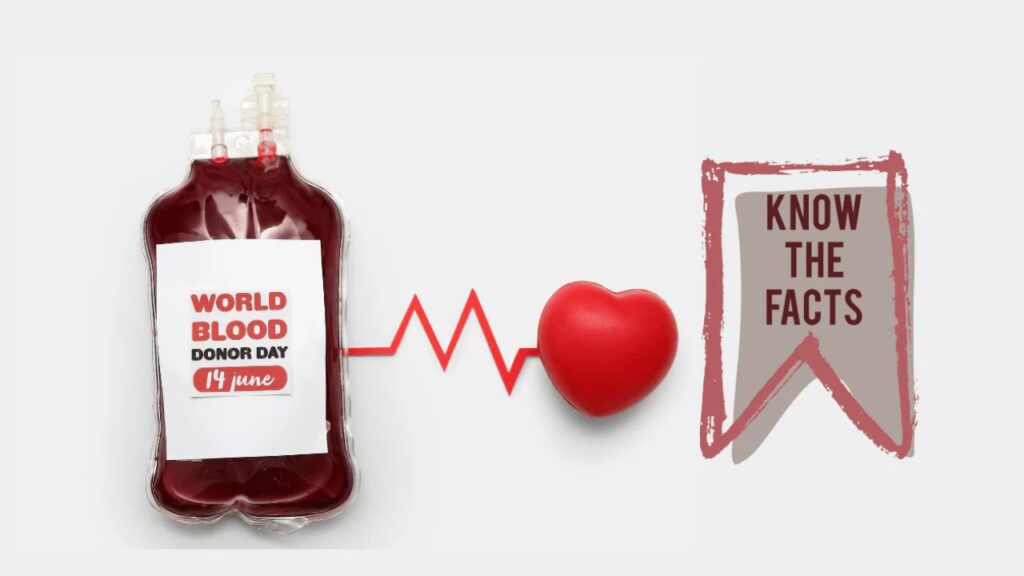
Blood donation safety refers to all medical practices and guidelines designed to protect both the donor and the recipient. Safety is not accidental. It is built into every step of the donation process, from the moment you walk into a donation center to the moment the blood is transfused into a patient. Safety includes:

- Donor eligibility checks
- Health screenings
- Sterile equipment usage
- Monitoring during donation
- Post-donation care
- Laboratory testing of blood
How the Blood Donation Process Protects Donors
Before giving blood each person must answer specific questions about their health background, daily habits, recent trips, and any medicines they take. These questions help find any short-term or long-term issues that might make donating unsafe. A quick physical examination happens before donation that checks body temperature, blood pressure, pulse rate, & hemoglobin level. If any measurement is outside the safe range the donation is delayed to keep the donor safe. One of the key safety steps is using sterile needles and collection kits that are only used once. These items are opened while the donor watches and thrown away right after use.

Blood Donation Myths vs Facts
Myth 1: Blood Donation Is Very Painful
Fact: Blood donation causes minimal discomfort. Most donors feel only a quick pinch when the needle is inserted. After that, there is little to no pain.
Myth 2: You Can Catch Infections From Donating Blood
Fact: This is completely false. Blood donation uses sterile, disposable equipment. There is zero risk of contracting HIV, hepatitis, or any infection through donation.

Myth 3: Blood Donation Makes You Weak for a Long Time
Fact: The body replaces plasma within one to two days and red blood cells within a few weeks. Most donors return to normal activities the same day.
Myth 4: Donating Blood Causes Long-Term Health Problems
Fact: There is no scientific evidence showing long-term harm from blood donation in healthy adults. Donation intervals are medically regulated to ensure full recovery.

Conclusion
Blood donation safety relies on scientific evidence and regulatory standards that have been proven over many decades of practice. The process does not weaken healthy people or expose them to diseases or cause any lasting damage to their bodies. Blood donation saves lives and benefits entire communities. Misconceptions prevent people from donating but accurate information encourages participation. Understanding the facts about blood donation safety helps people overcome their concerns & feel more confident about giving blood.
| Safety Aspect | What Actually Happens | Why It’s Safe |
|---|---|---|
| Needles | Single-use, sterile | No infection risk |
| Blood Testing | HIV, hepatitis, more | Protects recipients |
| Donor Screening | Health & travel checks | Reduces complications |
| Recovery Time | Hours to days | Body replenishes blood |
| Donation Limits | Regulated intervals | Prevents over-donation |
