
Yoga goes beyond just stretching and bending your body. It works to unite your physical self with your mental and spiritual sides. Breathwork stands out as one of the most powerful elements of yoga practice. The Sanskrit term pranayama describes this breathing practice and translates to “control of life force.” Our breathing patterns directly affect our health and wellness. In yoga the breath serves as a connection point between physical movement and mental awareness. When you learn to control and understand your breathing during yoga you can take your practice to new levels and improve your overall health. This article looks at how breathing techniques in yoga support wellness and shows you various methods to tap into this potential.
The Importance of Breath in Yoga
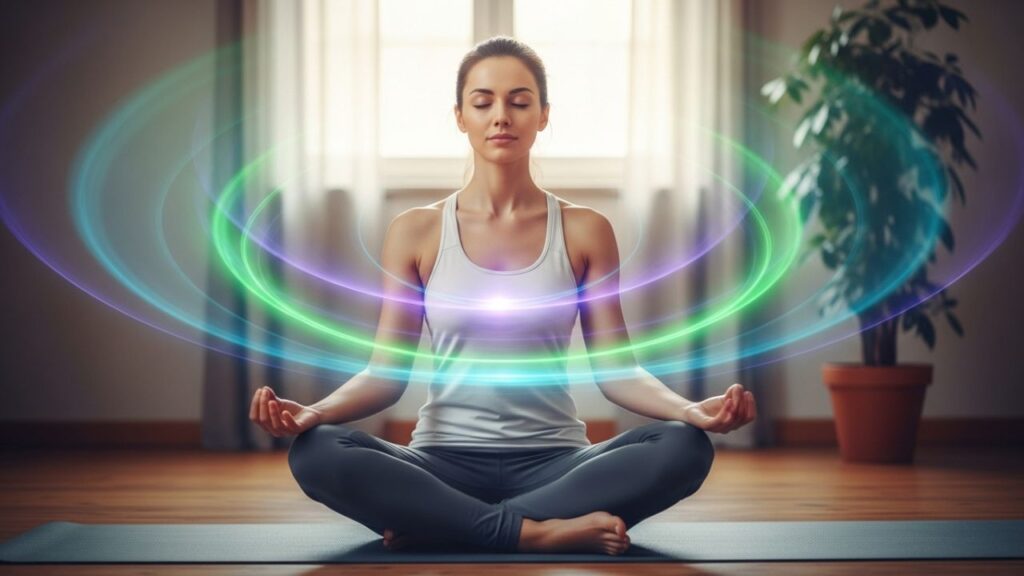
Breathing keeps us alive but we rarely think about it. Yoga views breath as vital energy that powers our physical movements and mental state. Mindful breathing activates the parasympathetic nervous system and helps our body relax while reducing stress. Breath also regulates emotions & sharpens focus and boosts physical performance. It serves as more than just a survival mechanism and becomes a tool for thriving in our busy and stressful world.

Breathing Techniques for Wellness
Ujjayi Breath (Victorious Breath)

This breathing method appears frequently in yoga classes and is particularly popular in Vinyasa and Ashtanga styles. To practice Ujjayi breath you slightly narrow the back of your throat while breathing through your nose. This creates a gentle sound that resembles ocean waves. The technique encourages slow and consistent breathing patterns that support concentration during yoga sessions. The practice also warms up your body from within which supports the removal of toxins and makes your muscles more flexible.
Nadi Shodhana (Alternate Nostril Breathing)
Nadi Shodhana is a breathing exercise that calms your mind and clears your thoughts. You breathe in and out through one nostril at a time while using your fingers to gently close the other nostril. This practice works by creating balance between the two sides of your brain. Regular practice sharpens your ability to concentrate and helps you think more clearly. The technique is especially useful when you feel anxious or overwhelmed by stress. Many people use it as a simple way to relax and find inner peace during their day.
Kapalbhati (Skull Shining Breath)
Kapalbhati is an energizing breathing exercise that uses quick and forceful exhales through your nose while letting the inhales happen naturally. This technique helps clean out your respiratory system and activates your digestive organs while sharpening your mental focus. It works especially well for removing toxins from your body and boosting your energy levels. Many people find it an excellent way to begin their yoga practice because it wakes up the body & prepares you for deeper work.

Bhramari (Bee Breath)
Bhramari is a breathing technique where you make a humming noise as you breathe out. The sound is similar to a bee buzzing. This method helps calm your thoughts and is recognized for lowering stress and nervous feelings. The humming creates vibrations that activate the part of your nervous system responsible for relaxation. This technique works well for relieving headaches and quieting your mind when you want to meditate.
Common Mistakes to Avoid in Breathwork
Common Breathing Mistakes to Avoid
– Shallow Breathing: When you breathe shallowly your body doesn’t get enough oxygen. This creates tension & makes you feel anxious. Instead you should practice deep breathing from your diaphragm. Your belly should expand outward when you breathe in.
– Holding the Breath: Some people hold their breath while doing yoga poses. This actually increases stress & blocks your energy flow. You should keep breathing smoothly without stopping throughout your practice.

– Overexerting Yourself: Your breathing practice should feel easy & relaxing. Never force your breath or try too hard. Pushing yourself too far only creates extra strain on your body. Stay within your comfort zone and let your breath flow naturally.
