
Uncover the key factors that can elevate your blood donation experience in our in-depth 2026 guide. Are you familiar with the eligibility criteria you need to meet? What steps can you take to prepare yourself? Which important items should you bring along, and what aftercare tips can enhance your journey as a donor? Explore these insights and more!
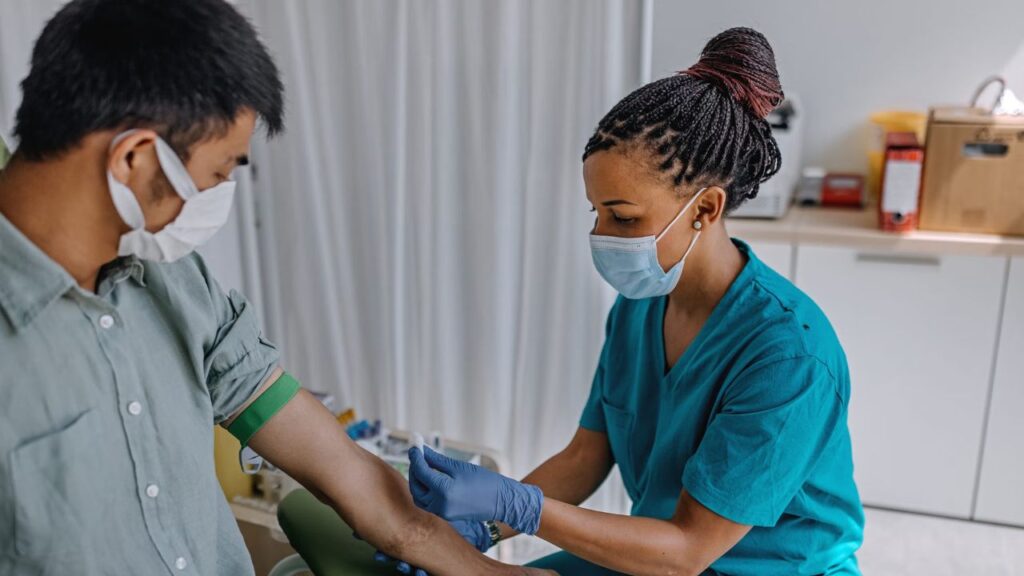
Blood donation is a simple act that can save lives. Every unit of blood collected can help accident victims, surgery patients, people with cancer, and those with chronic illnesses. However, a smooth and successful donation depends on preparation, awareness, and proper aftercare.

The Ultimate Checklist For Your Next Blood Donation
This detailed guide provides The Ultimate Checklist For Your Next Blood Donation, covering eligibility rules, preparation tips, what to expect during donation, and how to recover properly afterward. Follow this checklist step by step to make your donation safe, comfortable, and effective.
Blood Donation Important Facts You Should Know
Before donating, it helps to understand a few basic facts:

- A standard whole blood donation collects about one pint (around 470–500 mL) of blood
- The actual blood collection takes 8 to 10 minutes
- The full appointment usually lasts 45 to 60 minutes, including screening and rest
- Most people can donate whole blood every 56 days (8 weeks)
- A minimum body weight of 50 kg (110 pounds) is commonly required
- Hemoglobin levels must meet safety limits to protect donor health
Eligibility Checklist Before Booking Your Appointment
- Age And Weight Requirements – Most blood centers accept donors aged 16 to 65, with parental consent required for minors in some locations. Minimum weight is typically 50 kg (110 pounds).
- General Health Conditions – You should feel healthy on the day of donation. Cold, fever, infection, or recent illness may require postponement. Chronic conditions may be acceptable if well controlled.
- Hemoglobin And Iron Levels – A finger-prick test checks hemoglobin before donation. Low hemoglobin may result in temporary deferral to protect your health.
- Medications And Lifestyle – Many medications are allowed, but some may require waiting periods. Recent tattoos, piercings, or surgeries may affect eligibility.
The Ultimate Blood Donation Preparation Checklist
48 To 24 Hours Before Donation
- Get 7–8 hours of sleep
- Eat balanced meals with iron-rich foods such as spinach, beans, lentils, eggs, meat, and fortified cereals
- Include foods rich in vitamin C to improve iron absorption
- Drink plenty of water to stay well hydrated
- Avoid alcohol, as it can cause dehydration
Morning Of Donation
- Eat a proper meal; never donate on an empty stomach
- Choose light but filling foods like fruits, toast, yogurt, eggs, or dal
- Continue drinking water before leaving home
What To Bring To Your Blood Donation Appointment
- Valid photo identification (government-issued or donor ID)
- List of current medications, including supplements
- Appointment confirmation (if pre-booked)
- Comfortable clothing with sleeves that roll up easily
What Happens During The Blood Donation Process
Registration And Screening
# Personal Details Verification and Health Assessment Process
When someone arrives for a medical screening or blood donation several important steps take place to ensure their safety and eligibility. The staff begins by confirming personal details to make sure all information is accurate and up to date. This includes verifying the person’s name and address along with other identifying information. After the personal information is confirmed, the individual completes a health questionnaire. This form asks about recent illnesses and current medications as well as travel history and other health-related factors. The questionnaire helps medical staff identify any potential concerns that might affect the procedure. Once the paperwork is finished, basic health measurements are taken. A hemoglobin test is performed to check the iron levels in the blood. This simple test usually involves a small finger prick and takes only a few moments to complete. The results show whether the person has enough healthy red blood cells. The medical team also measures the pulse rate to assess heart function. This is done by placing fingers on the wrist or neck to count the heartbeats per minute. A normal resting pulse typically falls between sixty & one hundred beats per minute for adults. Blood pressure is checked as well using an inflatable cuff wrapped around the upper arm. This measurement reveals how forcefully blood is pushing against artery walls. The reading consists of two numbers that indicate systolic and diastolic pressure. Normal blood pressure generally reads around 120 over 80 or lower. These screening procedures work together to create a complete picture of the person’s current health status. The entire process usually takes between fifteen and thirty minutes depending on how quickly each step is completed. All measurements must fall within acceptable ranges before the person can proceed with the intended medical procedure or donation.
Blood Collection
A sterile needle is used, blood draw usually takes 8 to 10 minutes. You remain seated or reclined during the process.

Recovery Period
You rest for 10 to 15 minutes, light snacks and fluids are provided, staff ensure you feel stable before leaving.
Blood Donation Timeline
| Stage | What To Do | Why It Is Important |
|---|---|---|
| 1–2 Days Before | Eat iron-rich food, hydrate, rest well | Helps maintain healthy hemoglobin levels |
| Donation Day Morning | Eat a meal, drink water | Reduces dizziness and fatigue |
| Check-In | Show ID, answer screening questions | Ensures donor safety |
| Donation | Relax for 8–10 minutes | Safe blood collection |
| Recovery | Rest 10–15 minutes, snack | Prevents fainting |
| Same Day | Avoid heavy lifting and intense exercise | Reduces bruising risk |
| Next Few Weeks | Maintain good nutrition | Supports red blood cell recovery |
Blood donation is a safe and meaningful way to support hospitals, emergency care, and patients who depend on blood transfusions every day. When donors arrive prepared, the process becomes faster and more comfortable. Simple steps like eating a proper meal, drinking enough water, and bringing valid identification can greatly reduce the chances of dizziness or deferral. Understanding eligibility rules, donation timing, and recovery needs helps donors feel confident and relaxed throughout the experience.
After Donation Care Checklist
Immediately After Donation
- Keep the bandage on for several hours
- Drink fluids before leaving the center
- Sit or lie down if you feel lightheaded
The Same Day
- Avoid strenuous exercise or heavy lifting
- Eat regular meals and stay hydrated
- Rest if you feel tired
Iron Recovery
Your body uses iron to replace red blood cells. Frequent donors may benefit from iron-rich foods or supplements after donation, especially if donating multiple times per year. Always consult a healthcare professional before starting supplements.

Common Reasons People Are Deferred
- Low hemoglobin levels
- Dehydration
- Skipping meals before donation
- Recent illness, surgery, or infection
- Donating again too soon
- Missing valid identification
Avoiding these mistakes improves your chances of a successful donation. Blood donation is safe, quick, and deeply meaningful when done correctly. By following this Ultimate Blood Donation Checklist, you protect your own health while helping others in critical need. Proper preparation, hydration, correct documentation, and aftercare make every donation smoother and more comfortable. When you take these steps seriously, blood donation becomes a positive habit that can save lives again and again.
