
Stress touches almost everyone at some point in life. It may stem from workplace demands, family responsibilities, or concerns about health and finances. When stress builds up, it can affect both the mind and the body. Finding simple, natural ways to manage it is important for overall well-being. Yoga offers a gentle yet powerful approach to stress relief. By combining slow movements with conscious breathing, yoga helps relax tense muscles and settle a restless mind. Below are six beginner-friendly yoga poses that can be practiced at home to ease stress, calm the nervous system, and restore inner balance.
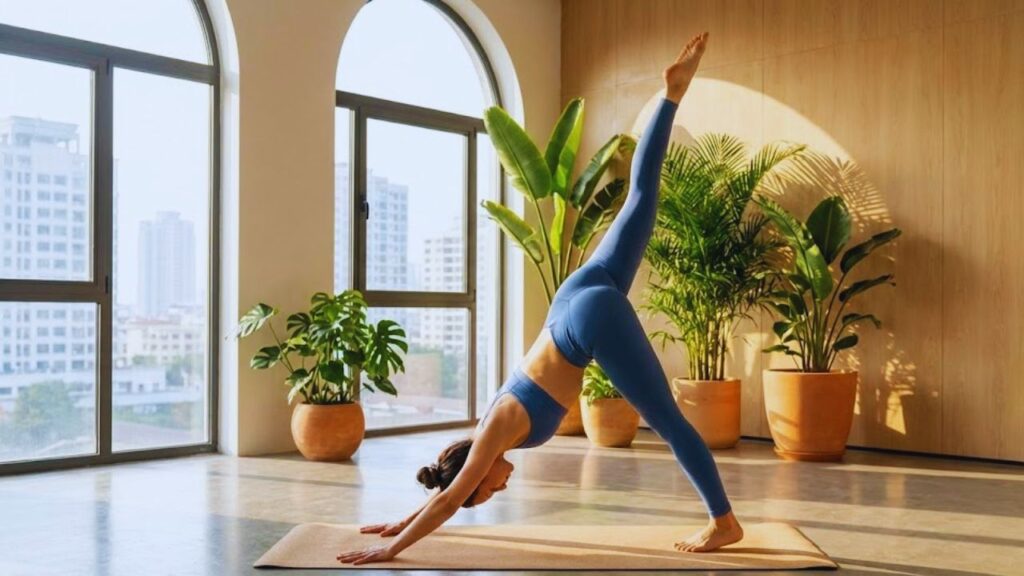
Child’s Pose (Balasana)
Why this pose reduces stress: Child’s Pose is a deeply restful posture that signals the body to slow down. It gently releases tension from the spine, shoulders, and neck while encouraging a sense of safety and calm.

How to practice: Come onto your hands and knees, keeping your big toes together and knees slightly apart. Slowly lower your hips toward your heels, stretch your arms forward, and rest your forehead on the floor. Breathe slowly and allow your body to relax fully.

Benefits: Relaxes the back, neck, and shoulders; calms the nervous system; supports deep relaxation.

Cat–Cow Pose (Marjaryasana–Bitilasana)
Why this pose reduces stress: Moving gently between Cat and Cow helps loosen tight areas along the spine and neck. Matching movement with breath creates a soothing rhythm that helps quiet mental chatter.
How to practice: Begin on all fours with wrists under shoulders and knees under hips. Inhale as you arch your back and lift your chest. Exhale as you round your spine and draw your chin toward your chest. Flow slowly with your breath for several rounds.
Benefits: Improves spinal mobility, releases tension, encourages mindful breathing, and promotes calmness.
Standing Forward Bend (Uttanasana)
Why this pose reduces stress: Forward folds have a naturally calming effect on the nervous system. Allowing the head to hang helps ease mental strain while stretching the back and legs.
How to practice: Stand with feet hip-width apart. Inhale, then hinge forward from the hips as you exhale. Keep a slight bend in the knees if needed and let your head and arms hang freely.
Benefits: Relaxes the mind, releases back and neck tension, and supports healthy blood flow.
Legs Up the Wall (Viparita Karani)
Why this pose reduces stress: This gentle, restorative pose helps the body shift into a state of deep relaxation. It is especially helpful for calming the mind after a long or demanding day.

How to practice: Sit close to a wall and carefully lie back while lifting your legs up against it. Rest your arms comfortably by your sides with palms facing up. Close your eyes and breathe slowly for 5 to 10 minutes.
Benefits: Relaxes tired legs, reduces anxiety, supports circulation, and promotes mental calm.
Bridge Pose (Setu Bandhasana)
Why this pose reduces stress: Bridge Pose gently opens the chest, which can help release stored emotional tension and create a sense of balance and openness.
How to practice: Lie on your back with knees bent and feet flat on the floor, hip-width apart. Press into your feet as you inhale and lift your hips upward. Hold for a few steady breaths, then slowly lower down.
Benefits: Opens the chest, eases tension in the hips and back, and encourages emotional relaxation.
Savasana (Corpse Pose)
Why this pose reduces stress: Savasana allows the body and mind to fully rest. It helps integrate the benefits of your yoga practice and gently resets the nervous system.
How to practice: Lie flat on your back with legs extended and arms resting by your sides, palms facing upward. Close your eyes and focus on natural breathing. Stay here for 5 to 10 minutes in complete stillness.
 4-minute seated workout after 60 highlights elite endurance when you complete every rep cleanly
Benefits: Promotes deep rest, lowers stress and anxiety levels, and improves mental clarity.
