
The little boy sits on the bottom stair with his legs swinging angrily and his cheeks still wet. His mom stands in the kitchen pretending to scroll on her phone while watching the oven clock. Two more minutes and the time-out will be over. He sniffles and glances toward her before looking away. She feels the familiar mix of guilt & relief. At least he is quiet now. At least the tantrum has stopped. Then a strange thought hits her. He doesn’t look calmer. He just looks alone. That night she searches online and feels half embarrassed as she types: “Do child psychologists still use time-outs?” What she finds surprises her. And honestly it stings a little.
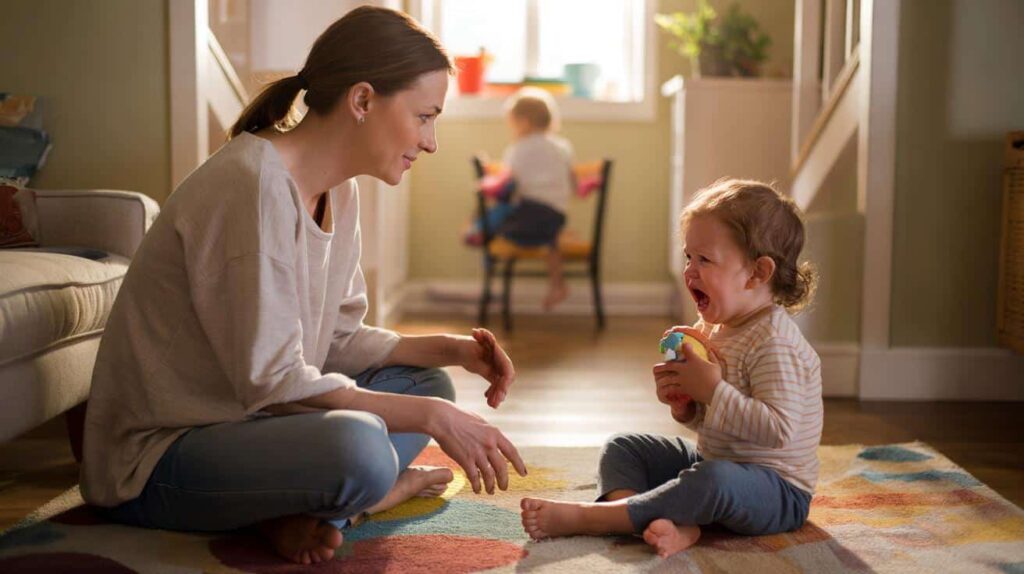
Why child development experts are quietly moving away from time-outs
Modern child psychologists often handle discipline differently than you might expect. Many of them skip time-outs entirely when raising their own children. They might tell themselves to take a break when they feel overwhelmed but they won’t use that same approach as punishment when their three-year-old has a meltdown on the living room floor. This choice doesn’t mean they let bad behavior slide or take a permissive approach to parenting. These professionals understand that forcing a young child to sit alone in a corner doesn’t teach what really matters. They focus on helping kids develop genuine self-regulation skills instead of just making them be quiet. The difference matters because time-outs often address the symptom rather than the cause. A child who learns to manage their emotions from the inside out will carry that skill through life. Simply removing a child from a situation until they calm down might stop the immediate problem but it doesn’t build the internal tools they need for the future. These psychologists work with their children through difficult moments rather than isolating them during those times. They recognize that young brains are still developing the capacity to control impulses and manage big feelings. Teaching those skills requires patience and presence rather than separation and silence.

Picture a four-year-old screaming because you poured the cereal into the wrong bowl. The old approach says to use a time-out & send them to their room. The door closes and the cries get louder before fading away. It seems like it worked. But when the same cereal problem happens next week the child explodes again with the same intensity and anger. Nothing has changed except the child now knows that big emotions mean being sent away. Research suggests that using time-outs frequently can make children more anxious and afraid of being disconnected from their parents. This effect is especially strong in sensitive children.
 9 phrases self-centered people commonly use in everyday conversations, according to psychology
From a brain science viewpoint this response makes sense even though it feels wrong. A child having a meltdown is running on their alarm system rather than their thinking brain. When we send them away we expect them to calm themselves using abilities they have not developed yet. They end up shutting down or pushing their feelings aside or going numb just to bring the adult back. This might look like good behavior. But what child development experts actually want is a child who learns that their feelings are acceptable while their actions have limits. Time-outs usually communicate the opposite message about feelings being safe.

The discipline method experts use instead: time-INs and connection-first limits
The approach that many child development experts recommend has a straightforward name: time-in. It might sound like a new trend but it’s essentially what experienced grandparents have always practiced. Rather than isolating a child you stay close to them. You remain steady and they absorb your calmness. A time-in could involve moving to a quiet hallway and sitting down together while saying in a gentle voice that you’re staying with them. You acknowledge that their emotions have overwhelmed them and explain that you’ll breathe together until they feel regulated again. The boundary remains unchanged. The toy stays out of reach and the screen stays turned off. However the connection between you & the child continues throughout the moment.
Parents who try this approach for the first time usually feel uncomfortable. This is not how most of us were raised. Many of us remember being told to go to our room until we could act properly. Part of us believes that method was effective. But was it really? Maybe we just learned to suppress our emotions and hide our frustration instead of dealing with it in a healthy way. Nobody manages to follow this approach perfectly every day. Even trained child psychologists sometimes lose their patience & make mistakes. What really counts is the overall pattern of behavior. The goal is to reduce isolation and increase emotional support. Instead of telling children to go away we should stay present with them while still maintaining boundaries.
Child development specialists support this method because it produces clear results. Children who maintain connection with their parents during difficult moments typically build better emotional language skills and improved self-control while showing less aggressive behavior as they grow. The brain develops through repeated experiences where a child feels emotions while staying connected to a caregiver and then works through the problem together. This approach treats discipline as an opportunity to teach rather than to punish. Parents still enforce boundaries & consequences. They still say no & still take away the marker after it hits the wall multiple times. What changes is that children no longer face their most challenging moments isolated on a step while watching time pass and waiting to be allowed back into the relationship.
How to replace time-outs with firm, connected discipline
Start with something simple. The next time your child has a meltdown don’t tell them to go to their room. Instead ask them to come to you and get down to their eye level. Relax your shoulders and stand firmly while speaking more slowly than you want to. Tell them what you observe by saying something like “I can see you’re really angry right now. Your body is kicking.” After that you need to set a clear boundary by saying “I can’t allow you to hit anyone. We’re going to stay right here together until you feel calm and safe.”

You can enforce this boundary by gently blocking their hand if they try to hit, moving toys out of reach, or taking them to a quieter space. This approach is real discipline and provides the structure they need. The most important part is that you remain with them through it all.
One common mistake is using time-ins as an opportunity to lecture your child. You might start with something like “We do not behave this way. This is not acceptable. You’re almost five years old…” But by that point your child has stopped listening. Your words are not getting through to a nervous system that is in survival mode. When your child is upset you should use fewer words and focus more on being present. Save the conversations and teaching moments for after they have calmed down. Every parent has experienced moments of exhaustion when you just want to say “Fine go to your room!” If you do say something like that you can fix it later by telling your child “I got overwhelmed. Next time I’m going to stay with you and keep you safe.”
A child psychologist once said that when you discipline a child without having a good relationship with them it only makes them either obey out of fear or fight back against you. But when you discipline a child while maintaining a strong relationship with them it actually helps develop their character in a positive way. This means that punishment alone does not work well. Children need to feel connected to the adults who are guiding them. When kids feel that connection they are more likely to understand why certain rules exist & learn from their mistakes. They grow into better people because they trust the person teaching them. Without that bond discipline becomes just a power struggle. The child might follow the rules when someone is watching but they do not really understand why those rules matter. Or they might rebel completely and reject all guidance. Neither outcome helps the child develop good judgment or self control. The relationship part is what makes discipline effective. When children know that someone cares about them they can accept correction without feeling attacked. They see discipline as guidance rather than punishment. This approach takes more time and effort but it creates lasting change in how children think & behave.
- Use time-ins for emotional coaching
Sit nearby, breathe together, and label feelings in simple words: “angry,” “sad,” “disappointed.” - Reserve separation for safety
If someone is about to get hurt, move the child or yourself, but say clearly, “I’ll be right back. I’m not leaving you for good.” - Debrief after the storm
Once calm, do a short rewind: “Next time you’re that mad, you can stomp, not hit.” Let the child suggest ideas too. - Keep consequences simple
Natural outcomes work well: toy goes away, game ends, you stop playing when hit. No complicated charts in the heat of the moment. - Practice when nothing is wrong
Read picture books about feelings, role-play with stuffed animals, model saying “I’m frustrated” instead of slamming cupboards.
Rethinking what “good discipline” really looks like
Many parents secretly dislike time-outs but keep using them because they don’t know what else to do. When they try being gentler their own childhood memories make them think they’re being too weak. Their neighbor still believes in the naughty chair. Their mother-in-law thinks talking about feelings is ridiculous. But there’s a good reason why many child development experts skip time-outs with their own kids. They’ve noticed over and over how children respond differently when discipline sends the message that parents will stay close even during the hardest moments. These experts have watched children get into fewer battles with their parents and stop hiding their mistakes. Kids cry more openly about what’s really wrong & bounce back faster after conflicts.

You can keep using the tools that have worked for you before. You do not need endless patience or a special calm voice. You can tell your child that you need a moment and walk away to splash water on your face for a minute. The change is small but powerful. Instead of sending your child away to deal with emotions alone you stay present and work through feelings together while still maintaining boundaries. This approach to discipline quietly changes families over time. It reduces shame and builds skills while keeping rules clear. Children gradually learn that limits and love can coexist in the same space.
| Key point | Detail | Value for the reader |
|---|---|---|
| Why experts avoid time-outs | Isolation during big emotions can increase anxiety and teach kids to hide feelings instead of regulating them. | Helps parents understand why their usual strategy may not be working long term. |
| What to do instead | Use “time-ins”: stay close, co-regulate, hold clear limits, and address behavior once the child is calm. | Gives a concrete alternative that still feels firm and workable in real life. |
| How to apply it daily | Short scripts, simple consequences, repair after blowups, and practice emotional skills outside of crises. | Turns abstract parenting advice into practical steps parents can actually use. |
FAQ:
- Question 1Is every time-out harmful, or just frequent ones?
- Answer 1Occasional, calm time-outs used as a neutral “reset” aren’t likely to damage a child. The concern is when time-outs become the main discipline tool, used in anger, or tied to shame and rejection.
- Question 2What if my child refuses a time-in and runs away?
- Answer 2You can say, “I won’t chase you, but I’ll stay right here when you’re ready.” Keep your voice steady. The goal isn’t forcing closeness, it’s keeping the relationship open and the limit clear: no hitting, no breaking things.
- Question 3Does connection-based discipline mean no consequences?
- Answer 3Not at all. Consequences still happen: toys are removed, playdates end, screens go off. The change is that you stay emotionally available instead of pairing every consequence with isolation.
- Question 4What if I grew up with harsh punishments and feel triggered?
- Answer 4Start by tending to your own nervous system. Short breaks, deep breaths, even a quick “I need a second in the bathroom” can lower your reactivity. Gentle discipline with your child often begins with gentler self-talk for you.
- Question 5Is it ever okay to send a child to their room?
- Answer 5Yes, especially for safety or when everyone needs space, as long as it’s framed as a break, not banishment: “We’re taking a pause. I’m right nearby. We’ll talk when we’re calm.” The feeling of being exiled is what experts are trying to avoid.
